About
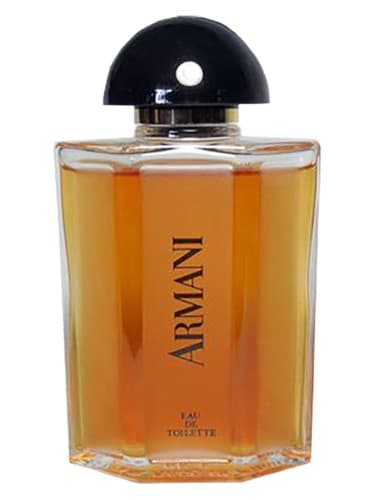
Ron Winnegrad created this chypre floral composition for women, which Giorgio Armani introduced in 1981. The structure follows a classic French perfumery blueprint with a complex, multi-layered arrangement. The opening blends galbanum, marigold, aldehydes, bergamot, pineapple, and mint for a fresh, green introduction. A lavish floral heart encompasses narcissus, orris root, tuberose, rose, jasmine, cyclamen, lily-of-the-valley, and orchid. The foundation rests on oakmoss, benzoin, cedar, amber, sandalwood, tonka bean, and musk.
Fragrance Notes
Middle Notes
Heart of the fragrance (2-4 hrs)
Base Notes
Dry down (4+ hrs)
Accords
green
aromatic
woody
balsamic
mossy
amber
floral
white floral
earthy
sweet
When to Wear
Best Seasons
Time of Day
☀️Day16%
🌙Night22%
Where to Buy
This site contains affiliate links. As an Amazon Associate and partner of other retailers, we earn from qualifying purchases at no extra cost to you.
Community Review
Giorgio Armani's debut 1981 feminine is a bitter green chypre of remarkable complexity that vintage fragrance lovers consider a work of genius, though its discontinuation makes it increasingly elusive.
The Verdict
The original Armani fragrance for women, launched in 1981, represents everything that made classic perfumery great. Created by Ron Winnegrad, this chypre floral was Giorgio Armani's first foray into fragrance and it set a remarkably high bar. The community regards it with something approaching reverence, with reviewers calling it a work of true genius and beauty that captures the elegant, androgynous spirit of early Armani fashion.
Sadly, this is a fragrance that most people will never have the chance to experience in its original form. Discontinued and subject to the oakmoss restrictions that have altered so many classic chypres, vintage bottles command premium prices on the secondary market. For those fortunate enough to own or encounter it, however, Armani remains a compelling argument for the artistry of 1980s perfumery.
What It Smells Like
The opening is bracingly, unapologetically green. Galbanum arrives first with its sharp, bitter edge, joined by crisp bergamot and an unexpected hint of pineapple that adds a subtle tropical sweetness beneath the greenery. Aldehydes provide the effervescent lift characteristic of classic French construction, while mint and marigold contribute herbal freshness. This is not a gentle opening; one reviewer describes it as a powerpunch of galbanum and oakmoss that announces its chypre credentials immediately.
The floral heart is lavish and complex. Narcissus, orris root, tuberose, rose, jasmine, cyclamen, lily-of-the-valley, and orchid create a dense bouquet that softens the green edges without ever becoming sweet or cloying. The flowers blend together rather than standing individually, creating an impressionistic floral effect that rewards careful attention as new facets emerge over time.
The base is where the vintage formulation truly distinguishes itself. Oakmoss provides the classic chypre foundation, rich, earthy, and deeply satisfying. Cedar, sandalwood, benzoin, tonka bean, amber, and musk build a warm, balsamic platform that extends the wear for hours. The overall effect is described as very soapy in the best sense, clean and sophisticated.
When to Wear It
Armani excels in professional and cultural settings. Its sophisticated green-floral character makes it ideal for office wear, where it reads as polished and authoritative without being aggressive. Spring is its natural season, when the green galbanum opening harmonizes with the environment, though it transitions beautifully into fall as the mossy, woody base gains prominence in cooler air.
This is not a casual weekend scent. Its construction demands a certain formality that pairs best with tailored clothing and intentional occasions.
Longevity & Projection
Performance is impressive for a fragrance of this era. Fragrantica users rate longevity at 3.97 out of 5, translating to solid all-day wear. The sillage sits at 2.88 out of 4, indicating moderate projection that creates an elegant aura without overwhelming. Reviewers with vintage bottles report excellent staying power, with the fragrance lasting through a full workday and maintaining its character throughout.
The Community Says
Vintage fragrance enthusiasts regard Armani as a benchmark. Fragrantica reviewers describe it as addictive and intoxicating, praising its complexity and the way new notes reveal themselves over hours of wear. Blog reviewers at The Non-Blonde characterize it as a bitter green chypre with an androgynous quality that mirrors Armani's fashion ethos of masculine shapes and fabrics for women.
The fragrance community also voices frustration at its unavailability. The original formulation is very discontinued, and the loss of unrestricted oakmoss to IFRA regulations means that even if it were re-released, it could not replicate the original's character. Suggested alternatives for those unable to find it include Bandit and Niki de Saint Phalle, which share comparable galbanum and oakmoss characteristics.
Who Should Buy This
Armani is for the vintage fragrance collector who appreciates classic chypre construction at its finest. If you love green, mossy fragrances with complexity and depth, and you have the patience and budget to hunt for discontinued bottles, this is a worthy grail. Its androgynous sophistication appeals to anyone who values elegance over sweetness.
This is not for beginners or those who prefer modern fragrance aesthetics. The bitter green opening and mossy base require a palate that appreciates the architectural approach of pre-IFRA perfumery.
The Bottom Line
Giorgio Armani's eponymous 1981 fragrance remains a quiet masterpiece of chypre perfumery, a green, mossy, floral composition of remarkable complexity that embodies the sophisticated minimalism of the Armani brand. Its discontinuation is a genuine loss to the fragrance world, and those who discover vintage bottles will understand why it continues to inspire such devotion decades after its release.
Consensus Rating
8/10
Community Sentiment
positiveSources Analyzed
9 community posts (5 Reddit) (4 forum)
Pros
- + Complex, multi-layered chypre construction with exceptional depth and evolution
- + Beautiful green galbanum opening that transitions into a lush floral heart
- + Rich oakmoss base that exemplifies pre-IFRA classic perfumery
- + Androgynous, sophisticated character that transcends typical feminine fragrances
Cons
- - Discontinued and extremely difficult to find at any price
- - The bitter green opening may challenge those accustomed to modern fragrances
- - IFRA reformulations have altered the oakmoss base in later versions
- - Not versatile enough for everyday casual wear
Best For
office wearformal eventsspring outingscultural events
Best Seasons
springfall
This review is based on analysis of 9 community discussions. Individual experiences may vary.